














Trail Life — The Medicine of Returning: Trout Lily Teachings


Hi, I’m N’nako Kandé — and if this is our first time meeting, I’m honored to welcome you into my universe. If we’ve met before, I’m grateful to host you once again.
It feels important to reintroduce myself and reintroduce this Trail Life journey.
I began the Trail Life Series in 2023, during a season when I walked the land almost every day. The forest was — and still is — my grounding place, my clarity place, my breath. I shared glimpses of the plants, the medicine, and the quiet teachings I encountered along the way.
Life eventually carried me into other currents.
Now, I’m finding my way back — back to the trail, back to the page, back to sharing these wanderings with you.
This time, Trail Life returns as Trail Life × The Art of Rooting™ — a nature‑based storytelling and sensory ecology series. It is more than a blog. It is a living, land‑rooted program that weaves ecological storytelling, poetic reflection, plant encounters, and ceremonial walking practices.
The last time I wrote a Trail Life post, The Art of Rooting™ had just been published. In 2024, the book received the International Impact Book Award, and what began as a single offering has grown into a living catalog — books, coloring books, micro‑lessons, and my signature Silent Hour™ practice.
There is so much unfolding, and this space will hold that evolution.
For now — let’s step onto the trail together.
A Brief Introduction to My Work
I am a civic poet, ecological storyteller, and ceremonial multidisciplinary artist whose work centers belonging, land literacy, ecological memory, and the quiet intelligence of the natural world.
My practice bridges poetry, sensory ecology, cultural memory, and community engagement — creating experiences that invite people to slow down, listen deeply, and reconnect with the living world.
This is the heart of my ecological arts stewardship: using creative expression to deepen ecological awareness and care.
Trail Life × The Art of Rooting™ is where these threads meet.
How Trail Life Works Now
In the past, I walked the land almost daily and shared my reflections on certain Thursdays. But this season, the rhythm is shifting.
Trail Life now follows the pace of the land.
I write when a plant, a moment, or a teaching calls for attention.
Some weeks the forest speaks loudly.
Some weeks it whispers. I honor that rhythm.
Each Trail Life entry will be a guided wander:
• a plant encounter
• a reflection
• a teaching
• a prompt
• a moment of ceremony
• a poem
You can take your own walk whenever your life allows, and use these posts as your companion, your guide, your quiet invitation back to the land.
Trail Life is now a shared journey — rooted in rhythm, not schedule.
Before We Step In
Before we step into the forest, there are a few things to carry with you:
1. Enter the forest with reverence.
The land is alive, aware, and generous. We meet it with respect.
2. Bring your sense of wonder.
The forest is more than meets the eye — it is a vibrant, enchanted world with its own memory and medicine. (If you’ve read The Art of Rooting™ or follow me online, you already know this.)
This Week’s Encounter: Trout Lily
During my second hike this week, the forest greeted me with the quiet emergence of trout lilies — mottled leaves like water shadows, yellow blooms bowed in humility. These early spring healers remind me that beginnings don’t always arrive loudly. Some arrive gently, asking us to kneel.
As a multidisciplinary artist, I’ve learned to respect the forest as a master teacher — one that sharpens my attention to detail and deepens my capacity for wonder. Spotting trout lilies in the wild often feels like a practice in presence, a reminder to slow down and truly see.
Yesterday, while kneeling on a small path surrounded by Virginia bluebells and trees, I recorded a short welcome clip for this relaunch — a moment of breath, beauty, and belonging.
Personal Observations
Trout lilies growing low to the earth, in colonies
Mottled leaves and downward-facing yellow petals
A forest trail softened by early spring light
In The Art of Rooting™, I explore the medicinal benefits of plants across America and Africa, honoring the knowledge of Indigenous cultures and the wisdom often dismissed as “old wives’ tales.” I am endlessly fascinated by the power held in what many consider “simple” plants, and I grieve the knowledge that is no longer passed down orally or was never documented at all.
Trout lilies are more than pretty flowers.

Medicinal & Cultural Notes
Held with deep respect:
Edible leaves and flowers (in small amounts)
Cooling inflammation
Easing fever
Soothing skin irritations
Cherokee contraceptive use
Tannins for wound healing
These teachings come from long-standing relationships between Indigenous communities and the land. I share them with reverence, not ownership.
Reflections from the Trail
If you’re familiar with my book The Art of Rooting™, you may remember that our journey begins with an invitation into shinrin-yoku — a slow walk, a forest bath, a return to the senses. That practice has become part of my everyday life, and it’s the reason I remain enchanted by what I call my “little wonders.”
I walk slowly.
I listen.
I let the land speak first.
When I spotted the trout lily tucked away from the cleared path, our encounter — like so many others — stirred something in me.
The trout lily teaches me about pacing, about the medicine of quiet emergence. It is a flower that does not demand attention; it offers itself gently, if you are willing to lower yourself to its height. There is humility in that posture. There is healing in that posture.
Trail Life Prompts for Your Walk
If you choose to walk this week, here are some gentle invitations:
Prompt 1 — Notice the Firsts
What is the first plant, sound, or color that greets you on the trail? What does it stir in you?
Prompt 2 — Practice Humility
Kneel down to observe something small — a leaf, a bloom, a stone.
What becomes visible only when you lower yourself?
Prompt 3 — Listen Without Naming
Pause for one minute.
Listen to the forest, or to your surroundings, without trying to identify anything.
What do you hear when you stop labeling?
Scavenger Exercise: Find the Trout Lily
In my new book " Silent Hour," I introduce the Silent Scavenger Hunt as a way to connect with the earth — a practice that invites the land to reveal its hidden treasures, which you honor by observing without removing them from their natural home. It is a gentle discipline, a way of remembering that the forest is not a storehouse but a living relative.
The Silent Scavenger Hunt is not about collecting objects it is about collecting awareness.
It asks you to slow down, to soften your gaze, to let the land guide your attention rather than forcing your way through the trail.
It is a practice of humility, curiosity, and restraint — a reminder that not everything beautiful is meant to be taken, and not every discovery needs to be held in the hand to be held in the heart.
This is where the Silent Scavenger Hunt and Trail Life meet.
Trail Life is my way of walking with you — offering plant encounters, reflections, and teachings that help you see the forest with new eyes. The Silent Scavenger Hunt deepens that experience by giving you a way to participate, to engage your senses, and to let the land speak directly to you.
Both practices share the same intention:
to slow down
to notice what is often overlooked
to honor the land without disturbing it
to let the forest become a teacher
When you walk with Trail Life and carry the Silent Scavenger Hunt with you, the forest becomes a living classroom. Every leaf, shadow, bloom, and texture becomes part of the lesson.
It is a quiet collaboration between you and the land — a remembering.
Silent Scavenger Hunt — Visual Guide
Use this guide as you move through the forest or as you move through the photos I share. Let it slow your gaze. Let it sharpen your noticing.

1. Look for What’s Low to the Earth
Trout lilies rarely rise above ankle height.
Let your eyes soften toward the forest floor.
Notice what grows in the quiet places — the shaded places — the places most people step past.
What to look for:
Small colonies gathered close together
Leaves patterned like water shadows
A single bloom bowing toward the soil
2. Notice the Patterns Before the Flower
The mottled leaves often appear before the bloom.
They are the first whisper of the plant’s presence.
Look for:
Speckled greens and browns
Leaf shapes that resemble trout skin
Patches of repeating patterns

3. Follow the Light
Trout lilies often grow where early spring light filters through bare branches.
Observe:
Soft beams of light touching the ground
Warm patches where the soil feels alive
The way light reveals what shadow hides
4. Let the Bloom Reveal Itself
The flower faces downward — a gesture of humility.
You may need to kneel, tilt your head, or shift your angle.
Notice:
Yellow petals curling back
The delicate posture of the bloom
The quiet confidence of a plant that does not need to be loud
5. Observe Without Taking
This is the heart of the Silent Scavenger Hunt.
You honor the land by leaving everything exactly where it belongs.
Practice:
Look closely
Breathe with the plant
Offer gratitude
Leave it rooted

6. Let the Encounter Teach You Something
Every plant carries a message.
Every discovery is a conversation.
Ask yourself:
What did this plant ask of me?
What did I have to slow down to see?
What changed in me because I noticed?
7. Carry the Memory, Not the Object
The forest keeps its treasures.
You keep the moment.
Hold onto:
The color
The shape
The feeling
The lesson
A Question for You
Do you know of any traditional uses of trout lily—or any other medicinal flowers your family or community has passed down?
I would love to hear your stories, your lineage threads, your plant memories.
Thread Back to My Book
This walk is part of the lineage of The Art of Rooting™ — a series that holds my poems, my art, my plant teachings, and my ceremonial way of being with the land. Trail Life is where those teachings continue to breathe.
I am honored that you are here, sharing my universe, and I pray you will walk with me through the rest of this precious journey across the land(s).
You can explore previous Trail Life features, The Art of Rooting™ Conversations, and nature‑inspired poems from Poets by Nature here.

Next Trail Life Feature
Virginia Bluebells — the bells that call spring forward.
Let’s walk rooted.
Let’s remember.
Let’s heal.
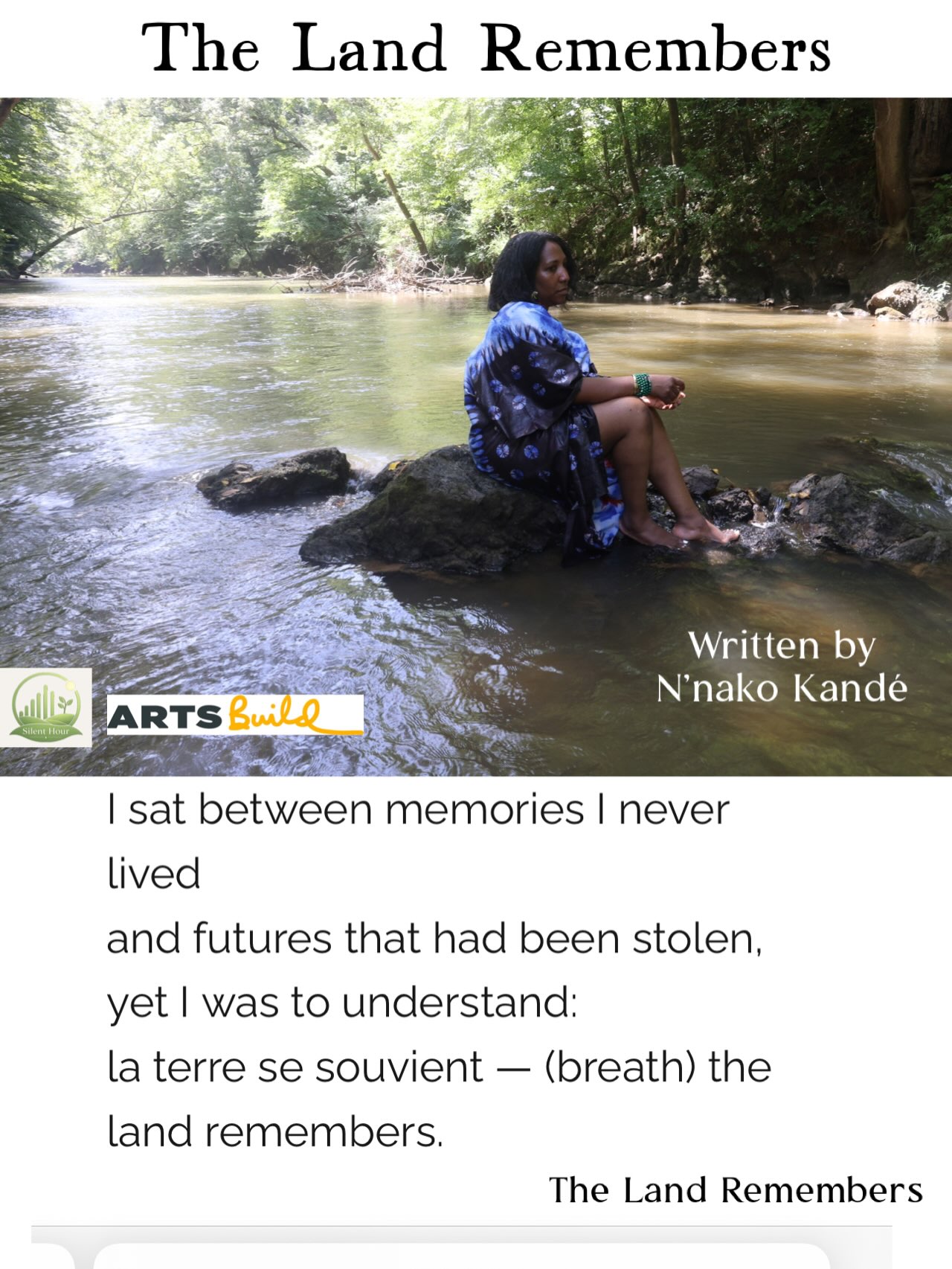
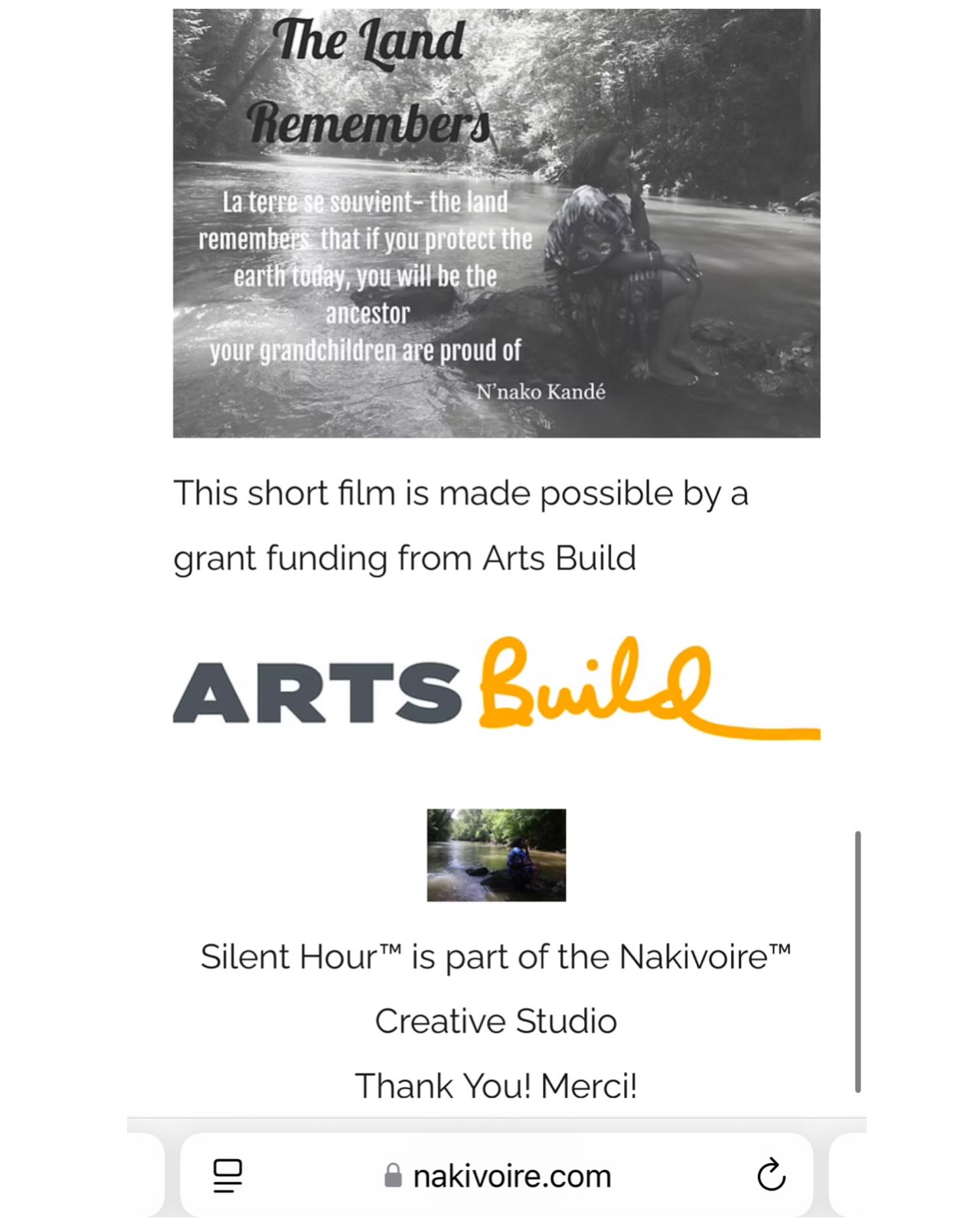
The Land Remembers DS-N’nako Kande’ – poetry pathway chattanooga
Connect with the land with my civic poem for the commemoration of the nation's 250 th Anniversary.
Contact N’nako
If you feel aligned with this work or wish to collaborate, I welcome invitations that honor the land, the community, and the creative spirit. You can reach me for:
Nature‑Based Programming
For botanical gardens, arboretums, Audubon chapters, nature centers, environmental organizations, and cultural institutions:
Guided nature walks
Ecological storytelling
Plant‑based workshops
Seasonal or ceremonial programs
Poetry performances in nature
Artist talks and community engagement
Silent Hour™ & Ceremonial Offerings
For organizations, retreats, wellness centers, and community groups:
Silent Hour™ sessions
Silent Scavenger Hunts
Ceremony‑based workshops
Land‑rooted mindfulness experiences
Workshops, Schools & Small Groups
For schools, youth programs, libraries, after‑school groups, and community organizations:
Nature literacy workshops
Poetry and storytelling sessions
Creative ecology lessons
Cultural arts and plant‑based learning
Trail Life–inspired field experiences
Sister Circles & Women’s Gatherings
For women’s groups, spiritual communities, and small circles seeking grounding and connection:
Sister Circle in Nature
Ceremony‑centered gatherings
Guided reflection and storytelling
Seasonal rites and land‑based practices
Marriage Officiant Services
For couples seeking a ceremony rooted in:
Nature
Ancestry
Intention
Sacred presence
I offer personalized, poetic, land‑honoring wedding ceremonies.
Commissioned Poetry & Creative Work
For individuals, organizations, and events:
Custom poems
Civic poetry
Ceremonial writing
Nature‑inspired pieces
Legacy or memorial poems
Contact
Email: kandennako@gmail.com Instagram: @nnakokande Linktree: linktr.ee/nnakokande
I welcome collaborations that honor the land, deepen community connection, and expand the reach of this work.


Comments